Guardians of Europe’s cultural heritage gathered at the Estonian War Museum
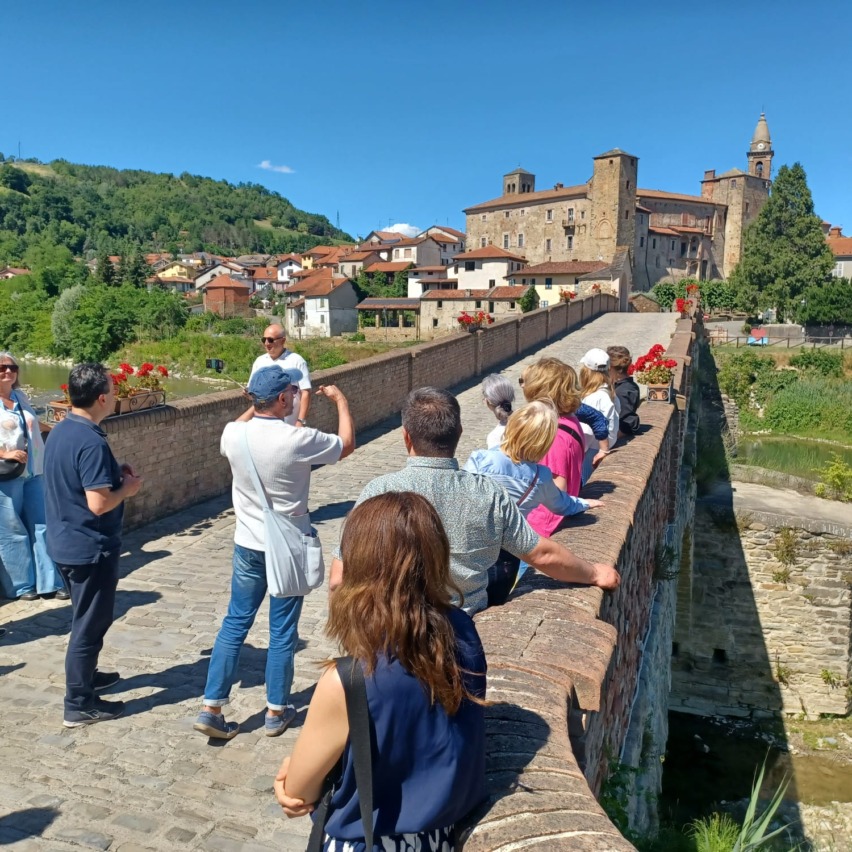
On 14–15 October, the Estonian War Museum hosted and organized the 4th international partner meeting and seminar for the Interreg Europe project PROTECH.
Over the course of two days, partners focused on the preventive conservation of European cultural heritage, sharing best practices, and fostering international cooperation—with a special emphasis on military heritage and the unique challenges associated with its preservation.
Day 1 – The military heritage of Naissaar
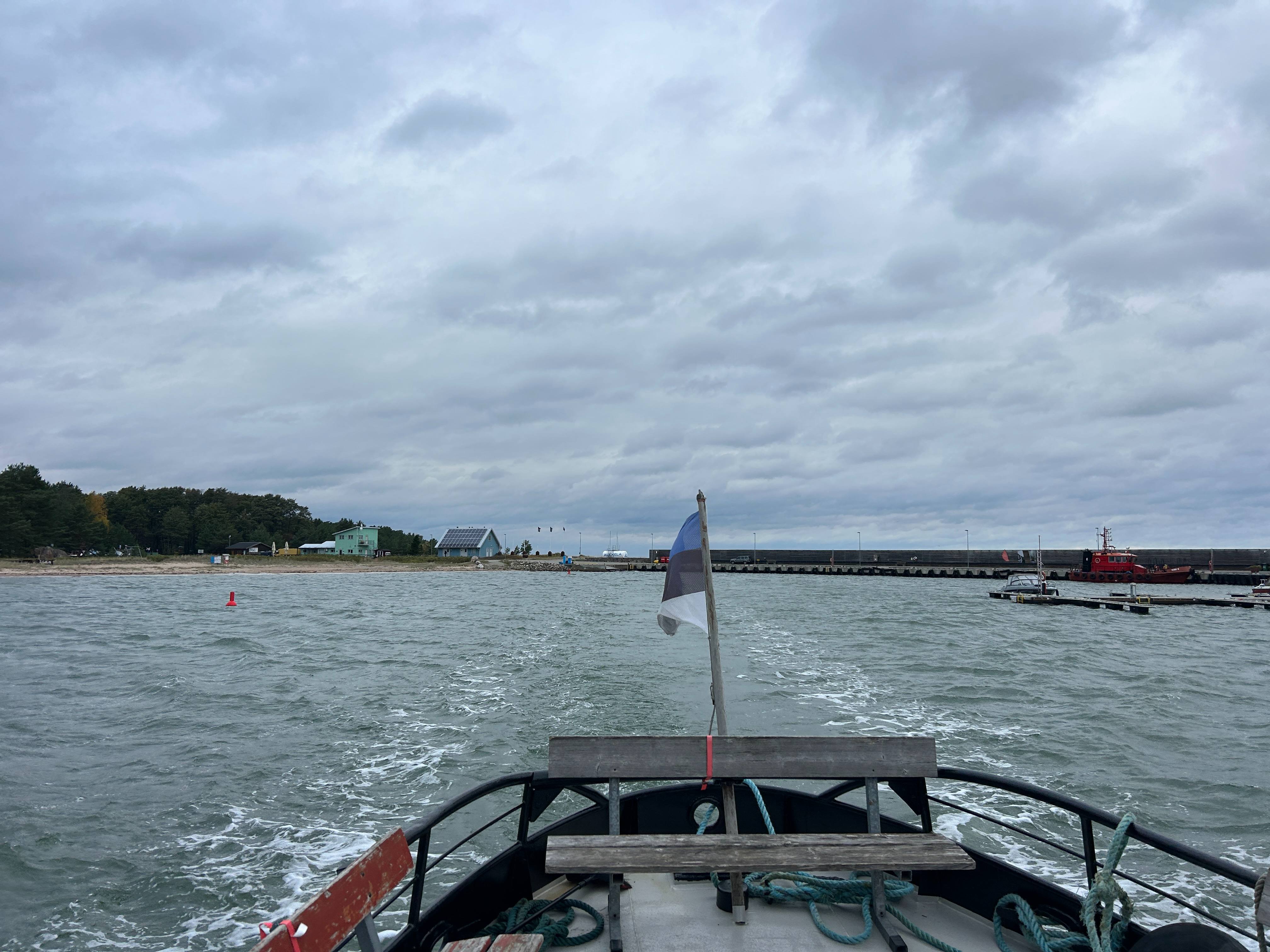
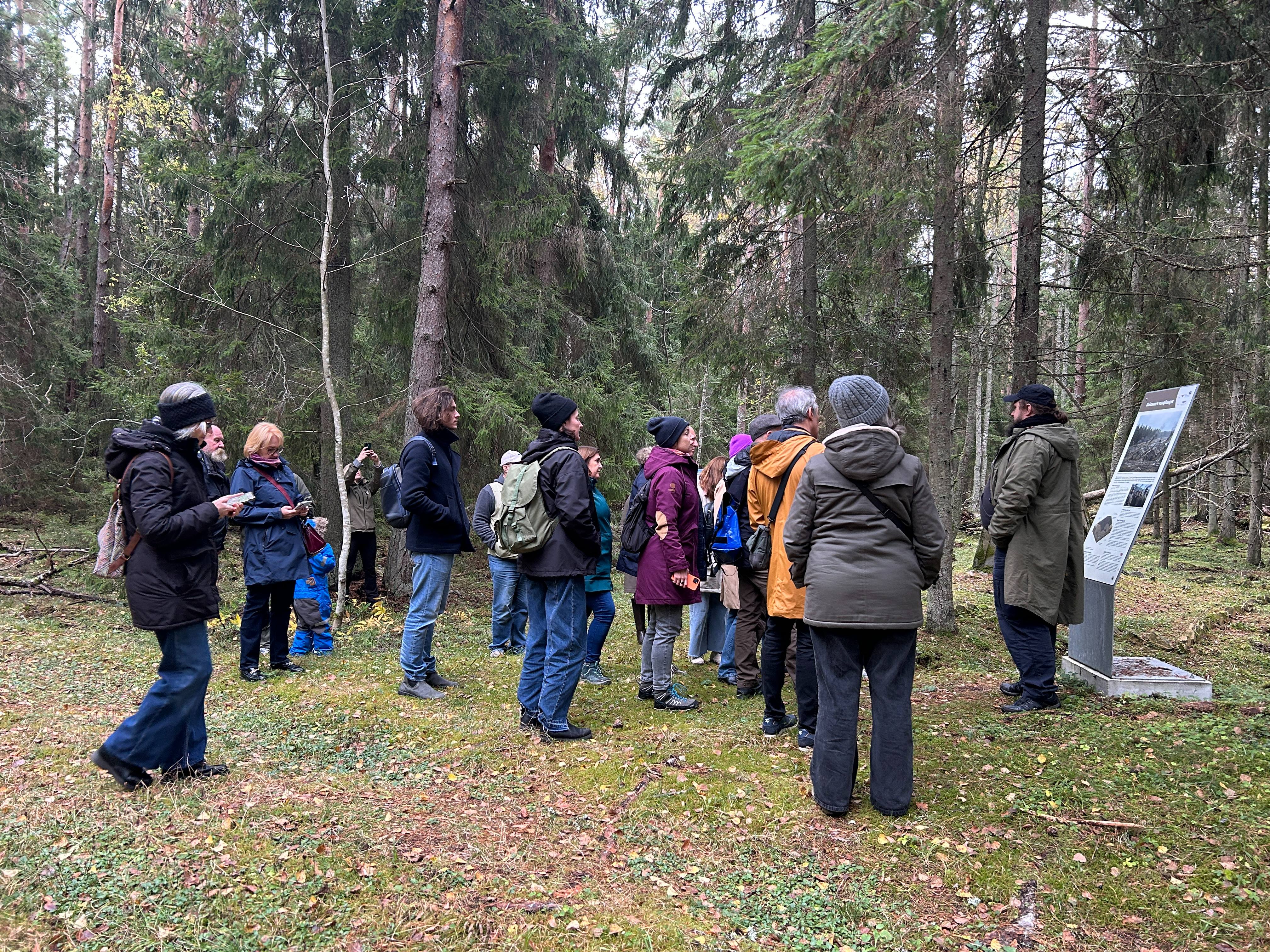
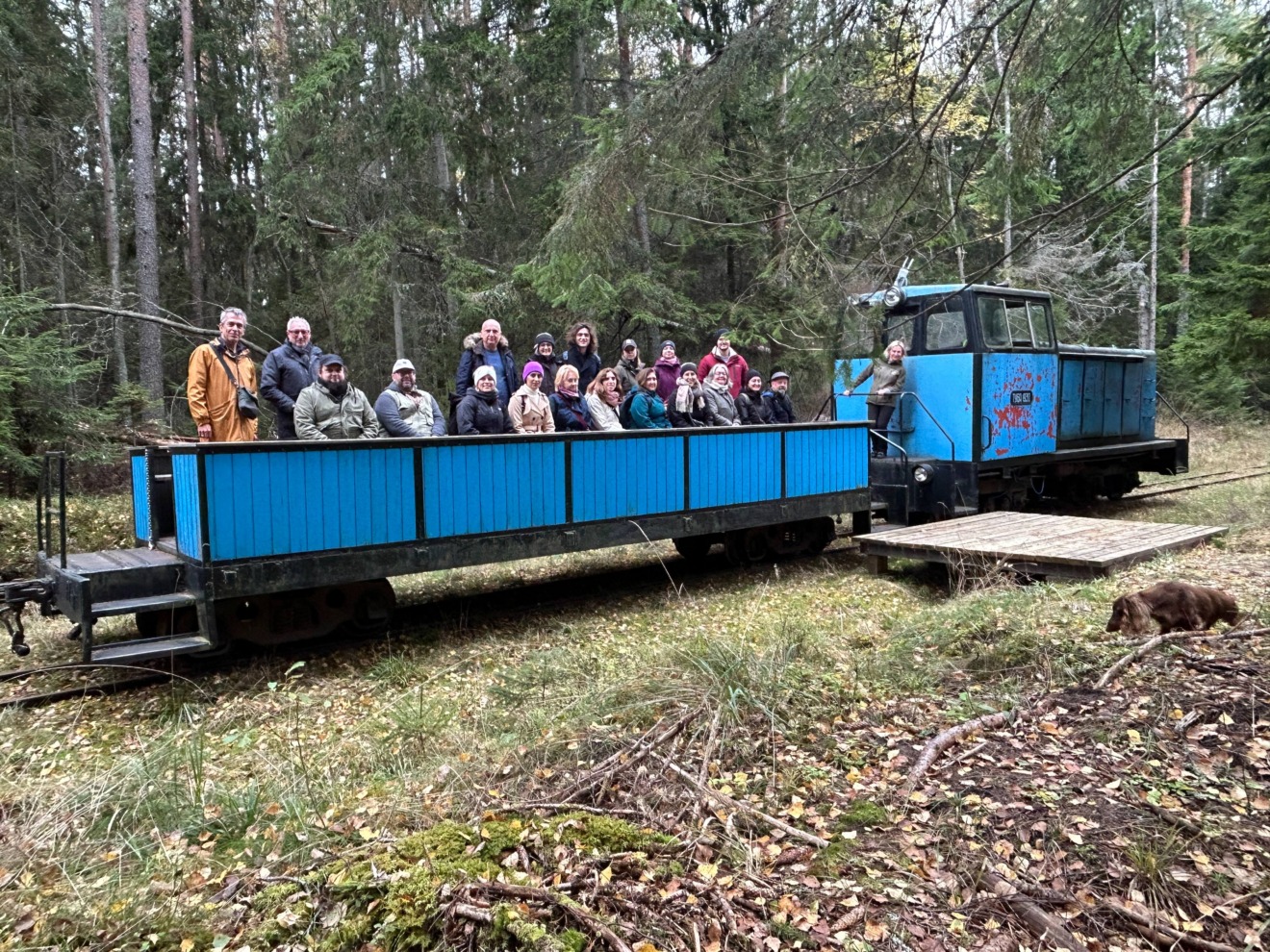
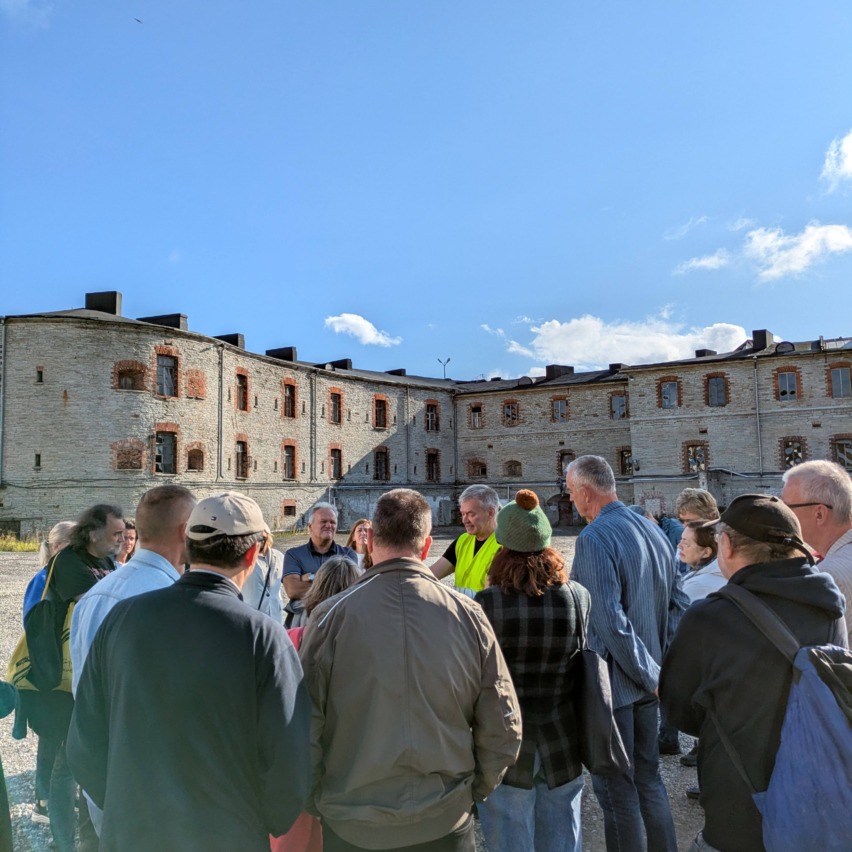
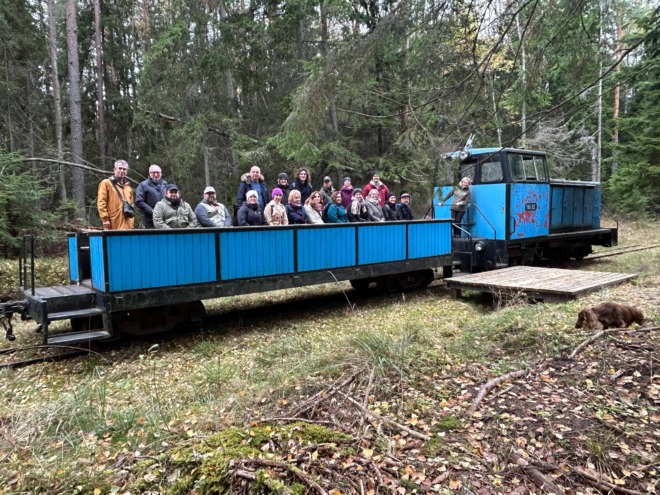
On the first day, project partners explored the rich history and military heritage of Naissaar Island. The itinerary included visits to the Naissaar lighthouse, historical coastal defense batteries 10B and No. 7, the cemetery, and the grounds of the former prison camp. A ride on Naissaar’s historical railway made the heritage experience even more memorable.
Discussions on site centered around how to preserve and present complex, multi-layered military heritage, striking the right balance between historical site protection, functional use, and visitor accessibility.
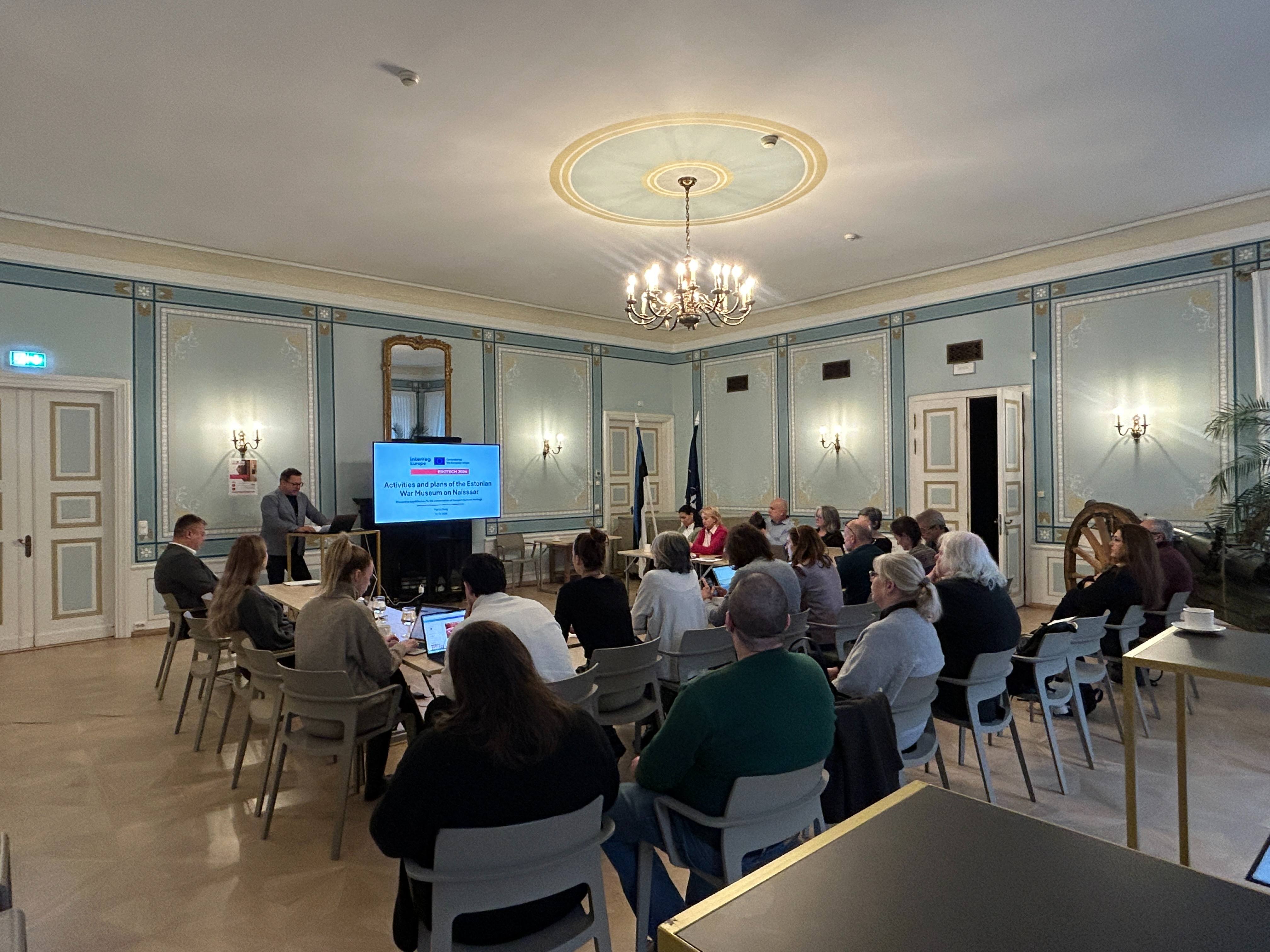
Day 2 – Seminar at the Estonian War Museum in Viimsi
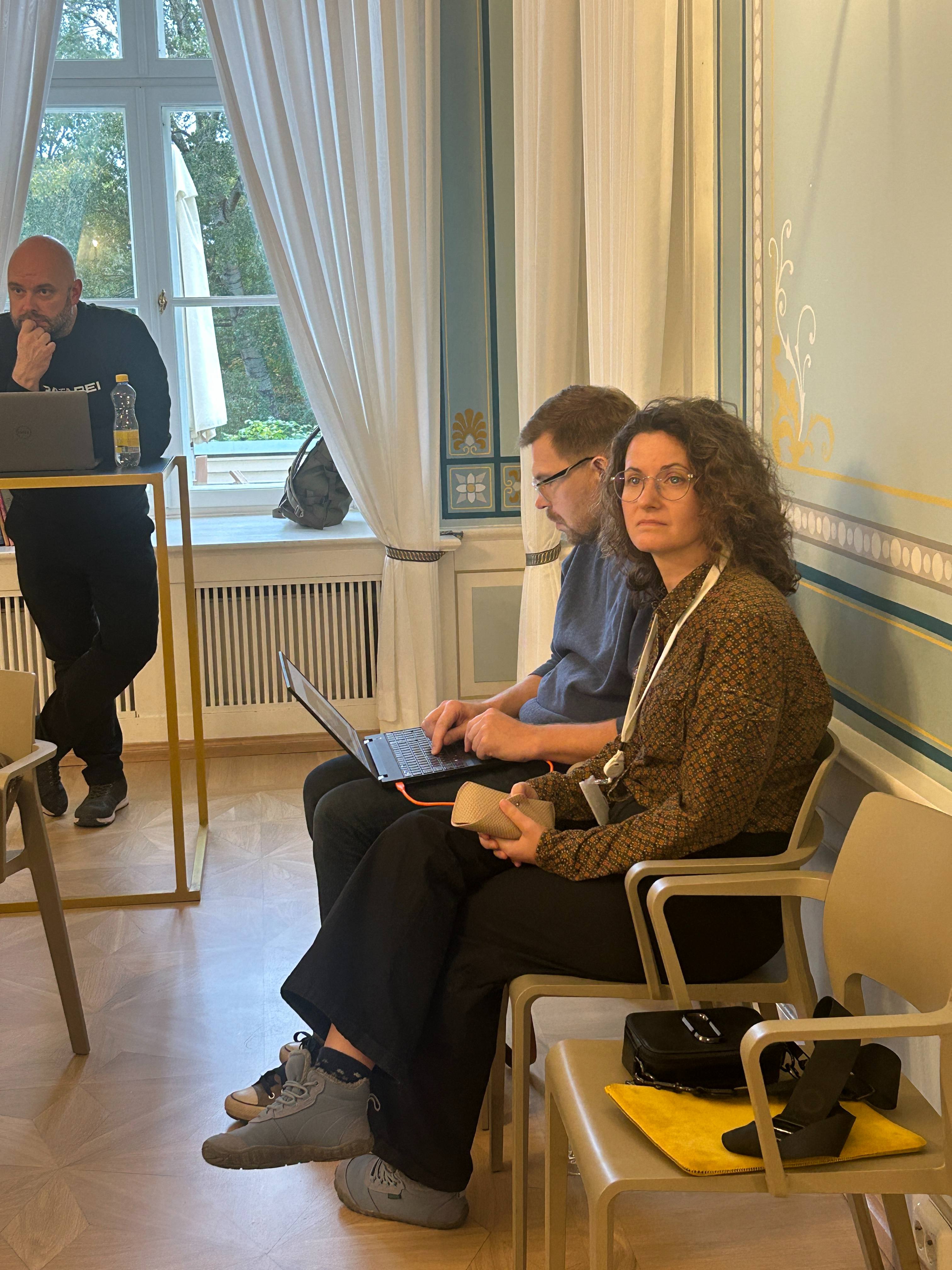
Day two turned the focus toward comprehensive heritage protection—ranging from historical landscapes and buildings to individual works of art.
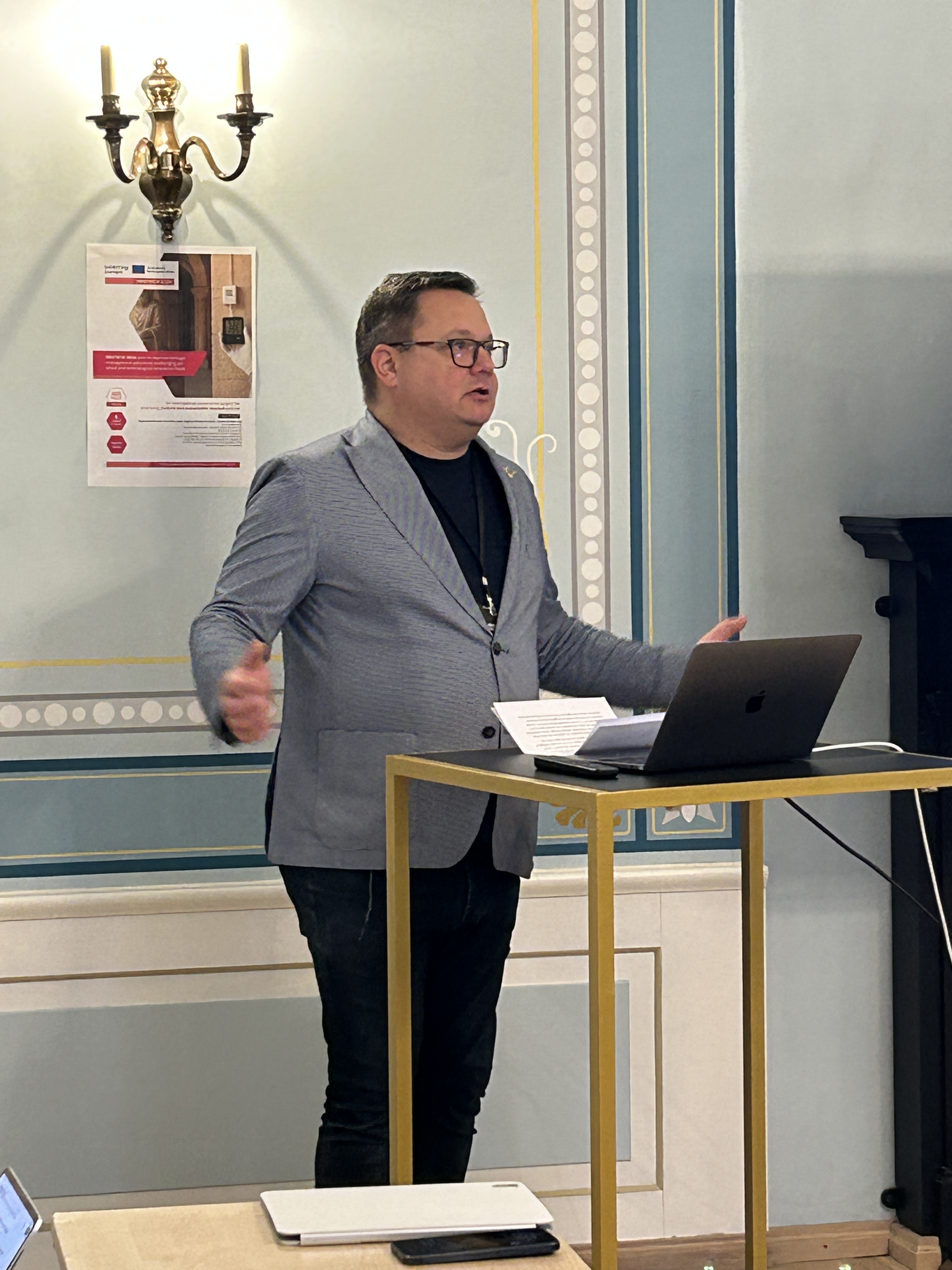
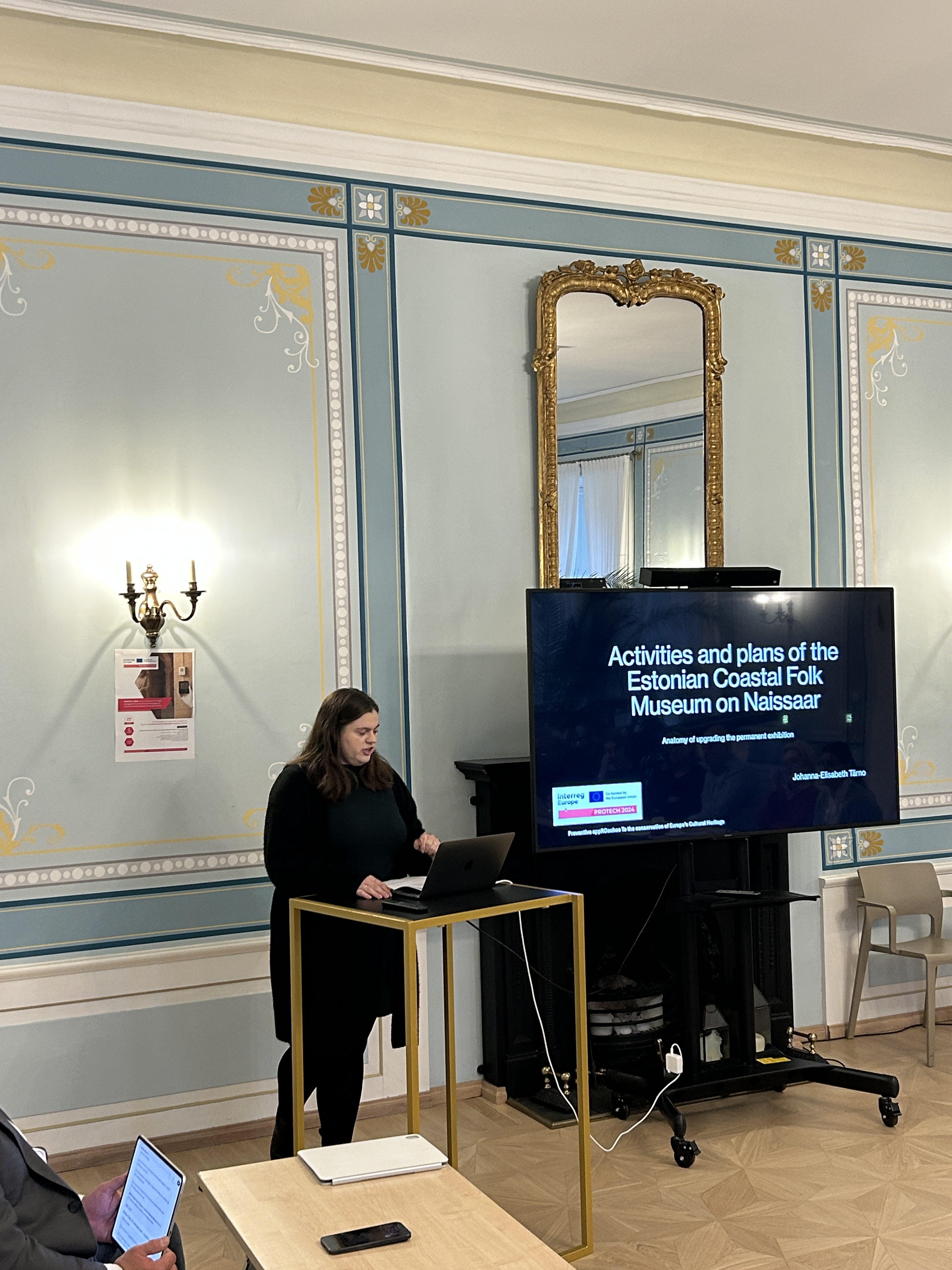
During the seminar, the Estonian War Museum, the Estonian Maritime Museum, and the Museum of Coastal Folk presented their ongoing activities and future plans for Naissaar. Discussions also addressed the preservation challenges of the Patarei Sea Fortress and the conservation of Enn Põldroos’s iconic tapestry at Tallinn Linnahall.
Highlighting Estonian good practices, presentations featured the Heritage Guardians (Pärandivaderid) initiative, the digital military history guide (Eesti Sõjaajaloo Teejuht), and vibration study research conducted at the Estonian National Museum.
The day concluded with an international workshop and collaborative discussions aimed at transferring successful preventive conservation practices to other European regions.
Preventive action, shared knowledge, and international cooperation are key to safeguarding our cultural heritage. These two days offered a valuable opportunity to highlight Estonian expertise while learning from our European partners.
The PROTECH project is co-funded by the European Union through the Interreg Europe programme.