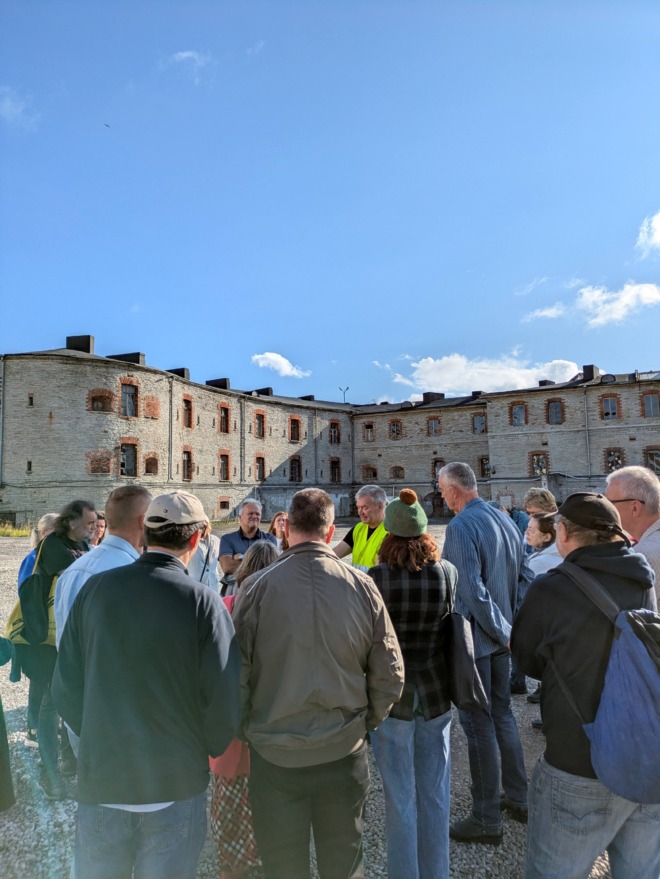
Estonian War Museum seminar explored the colourful history of Patarei
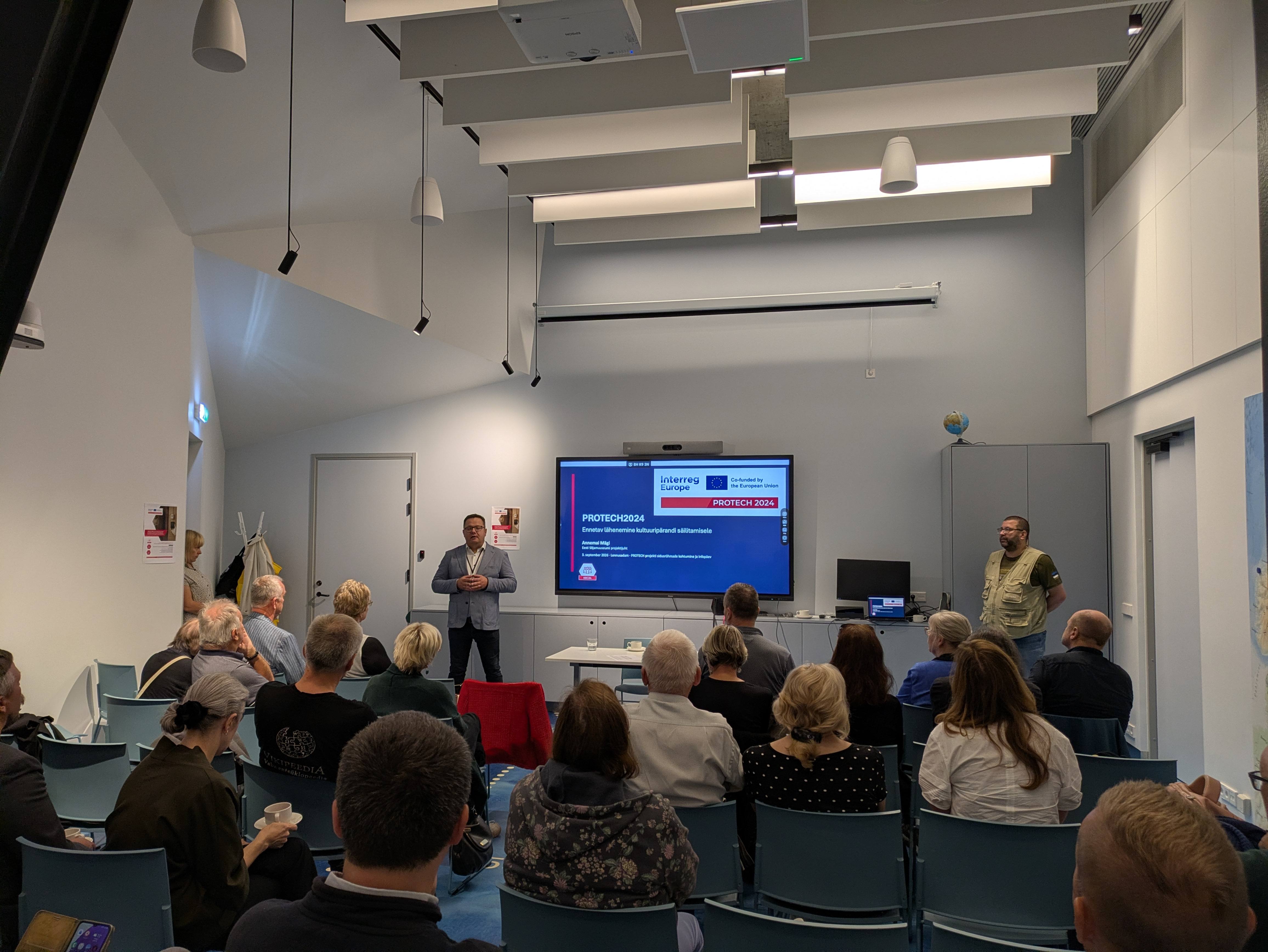
On Thursday, 3 September, the Estonian War Museum organised an information day and seminar on the past, present and future of the Patarei Sea Fortress as part of the PROTECH2024 project, which is dedicated to the preventive conservation of cultural heritage.
The theme of this stakeholder meeting in the PROTECH project, co-funded by the INTERREG Europe programme, was the Patarei Sea Fortress as one of Estonia’s most outstanding sites of military and cultural heritage. The colourful history of Patarei was explored through its historical context, past uses and personal stories, linking these to the central question of the PROTECH2024 project – how to safeguard, preserve and meaningfully carry cultural heritage into the future.
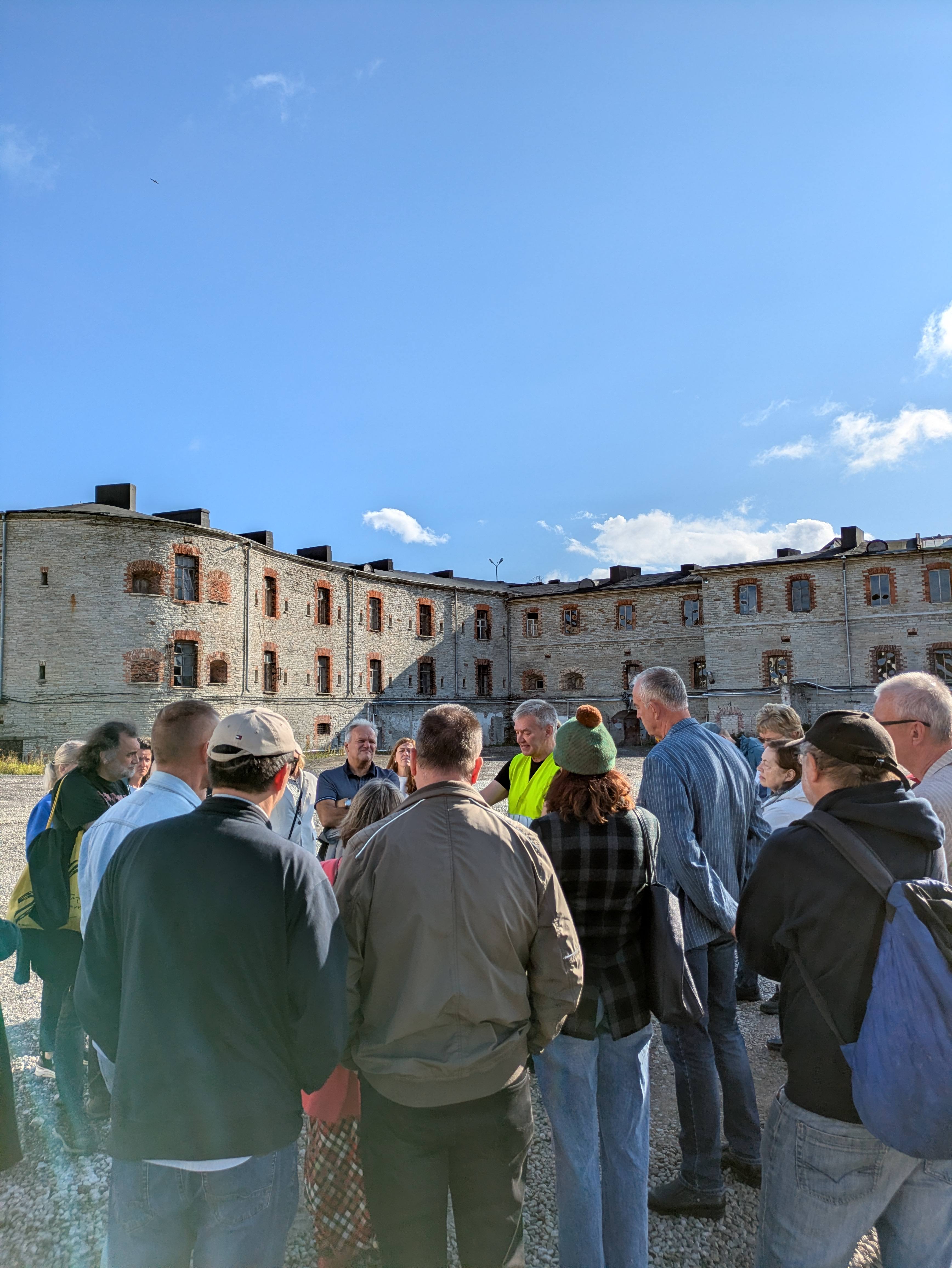
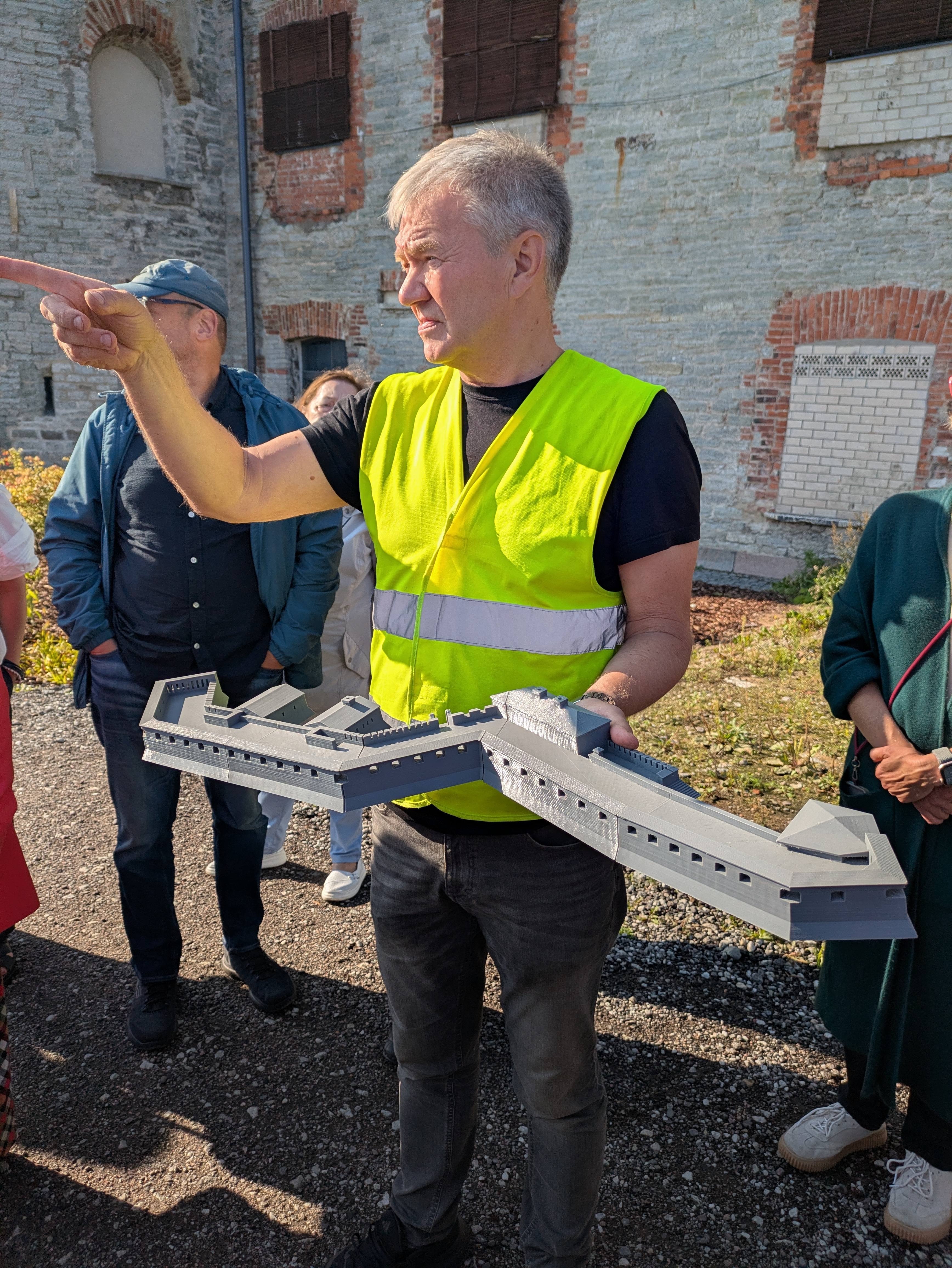
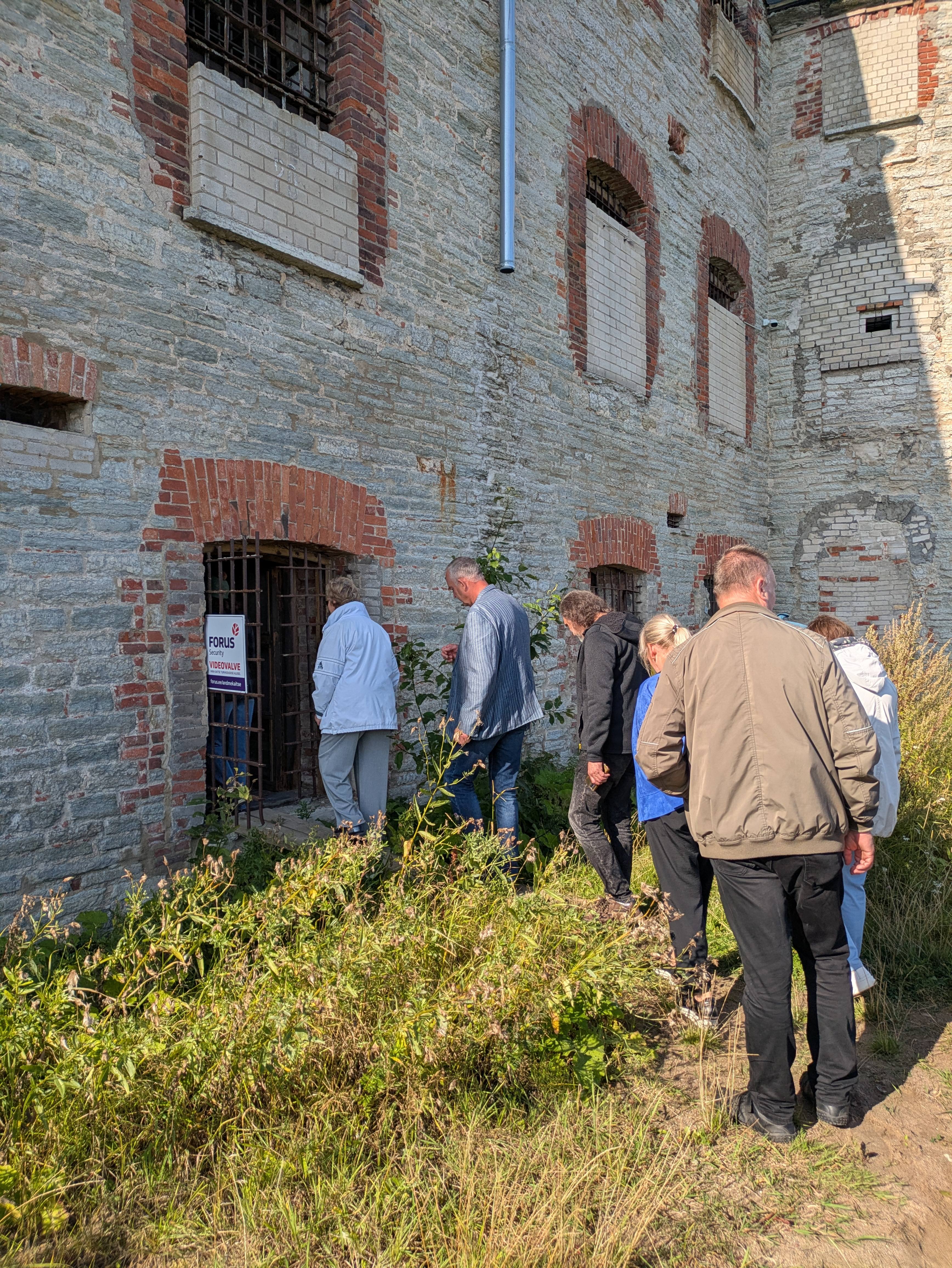
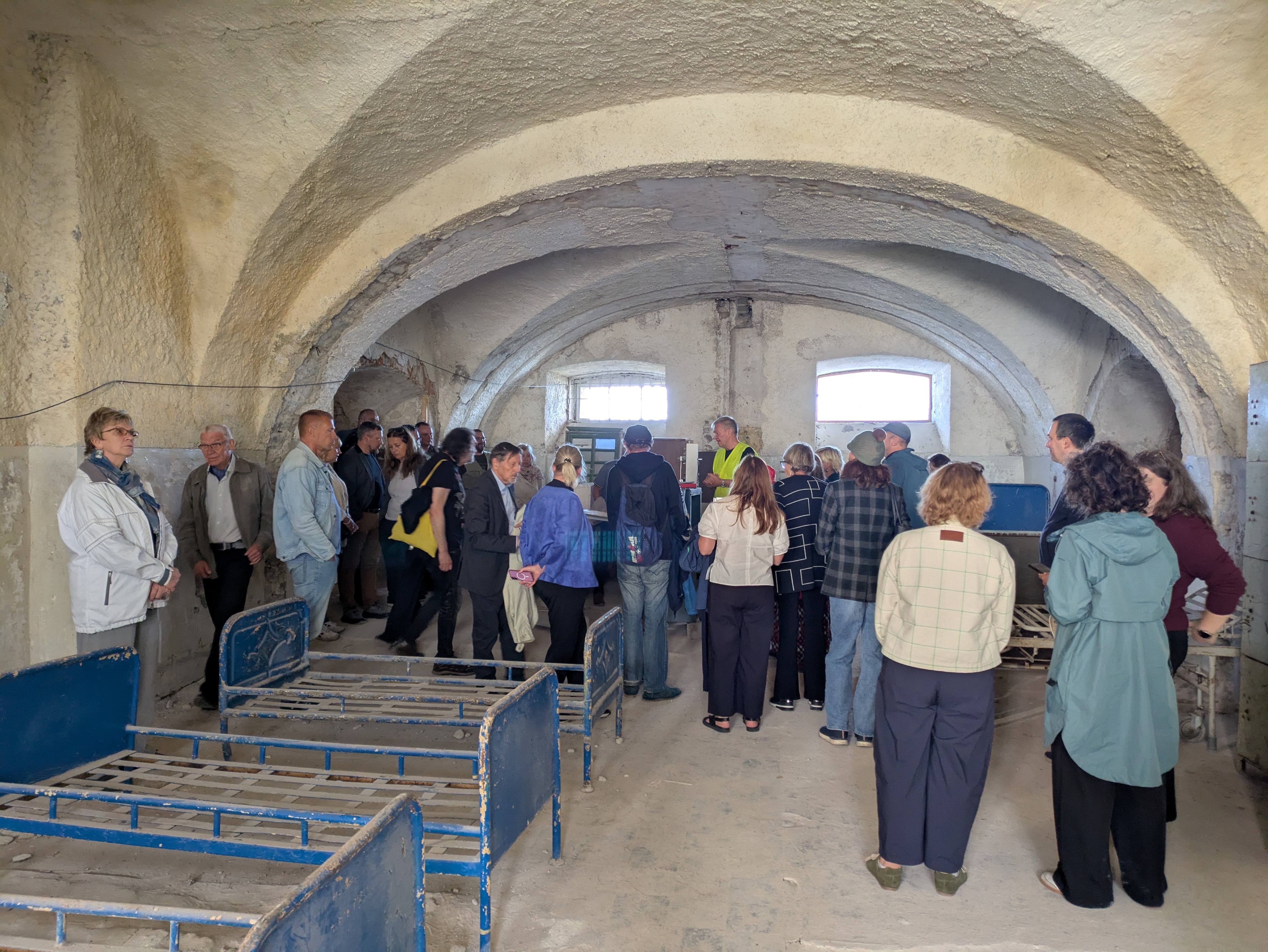
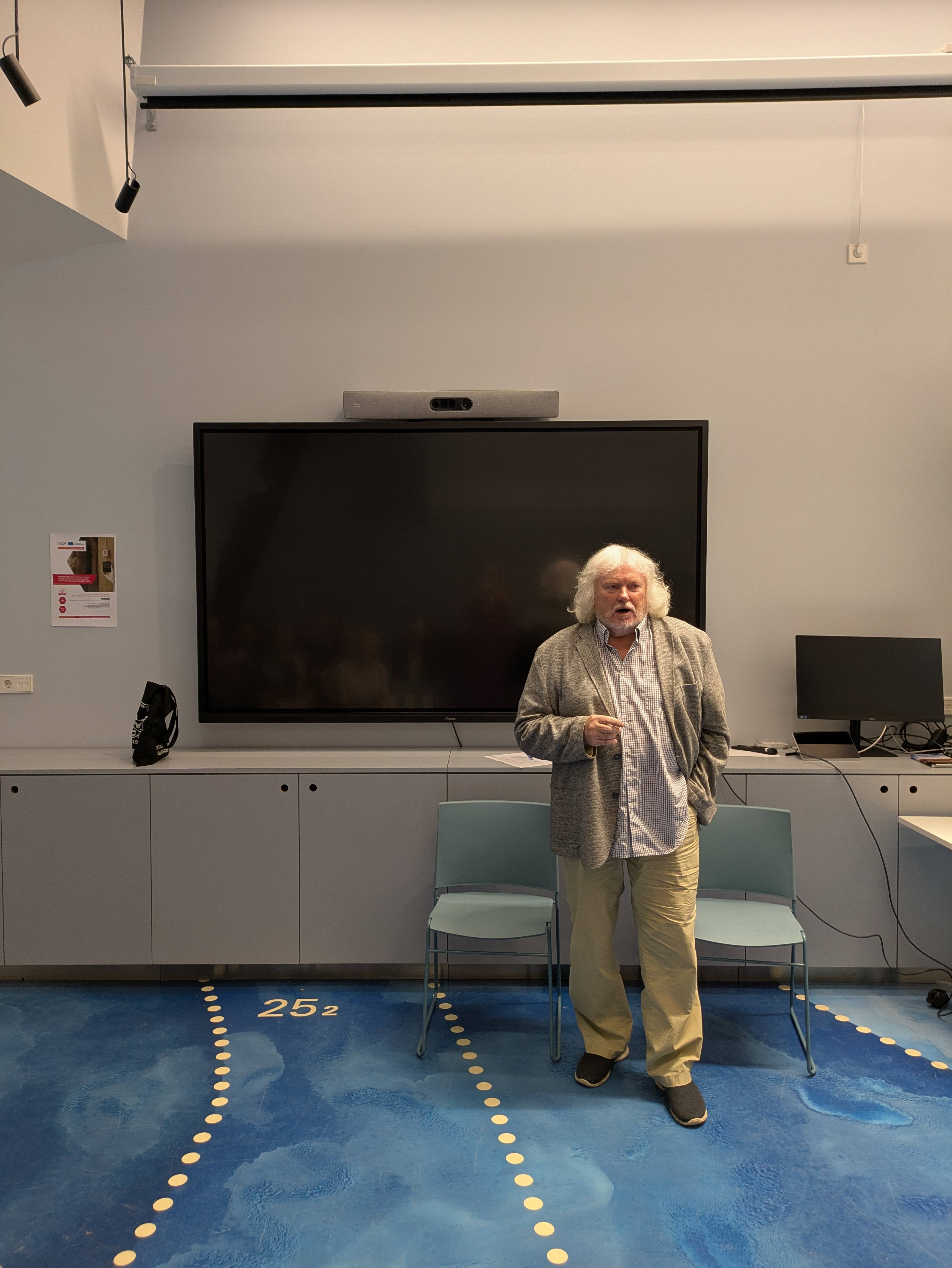
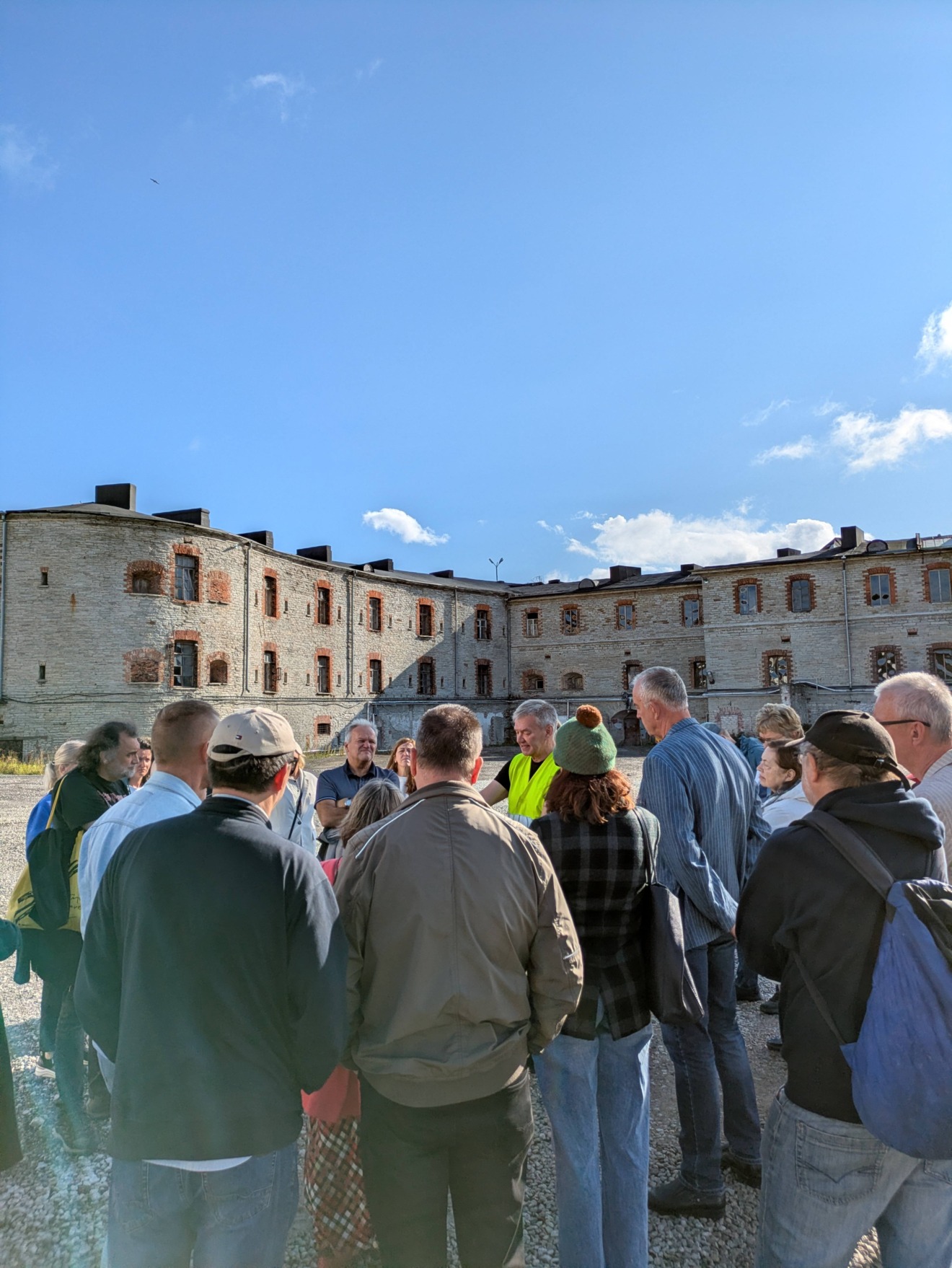
First, the space itself took centre stage. Robert Treufeldt, an architectural and military historian, led participants on a tour of the parts of Patarei still awaiting renovation, providing an overview of the complex’s history as a sea fortress and a prison.
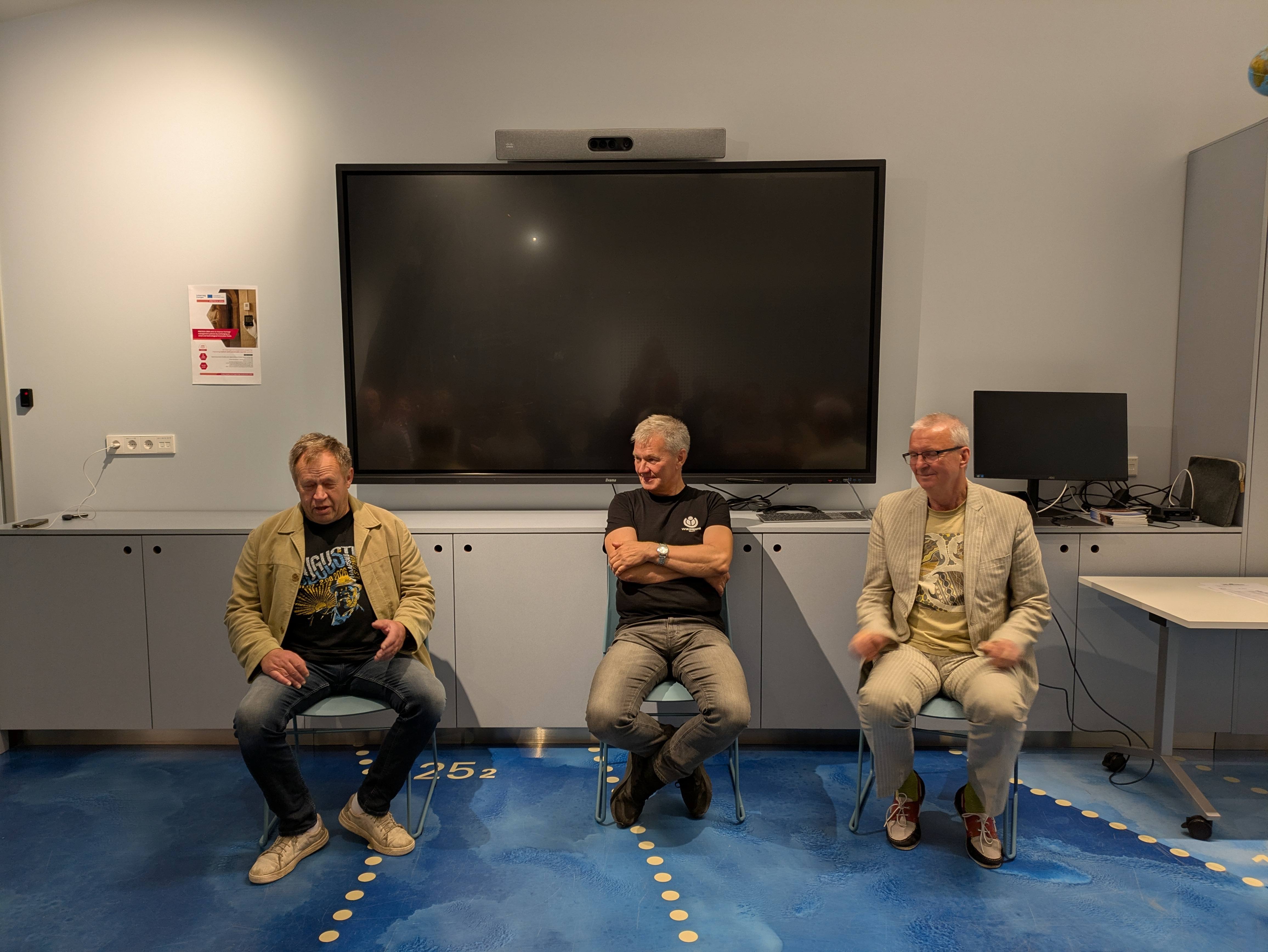
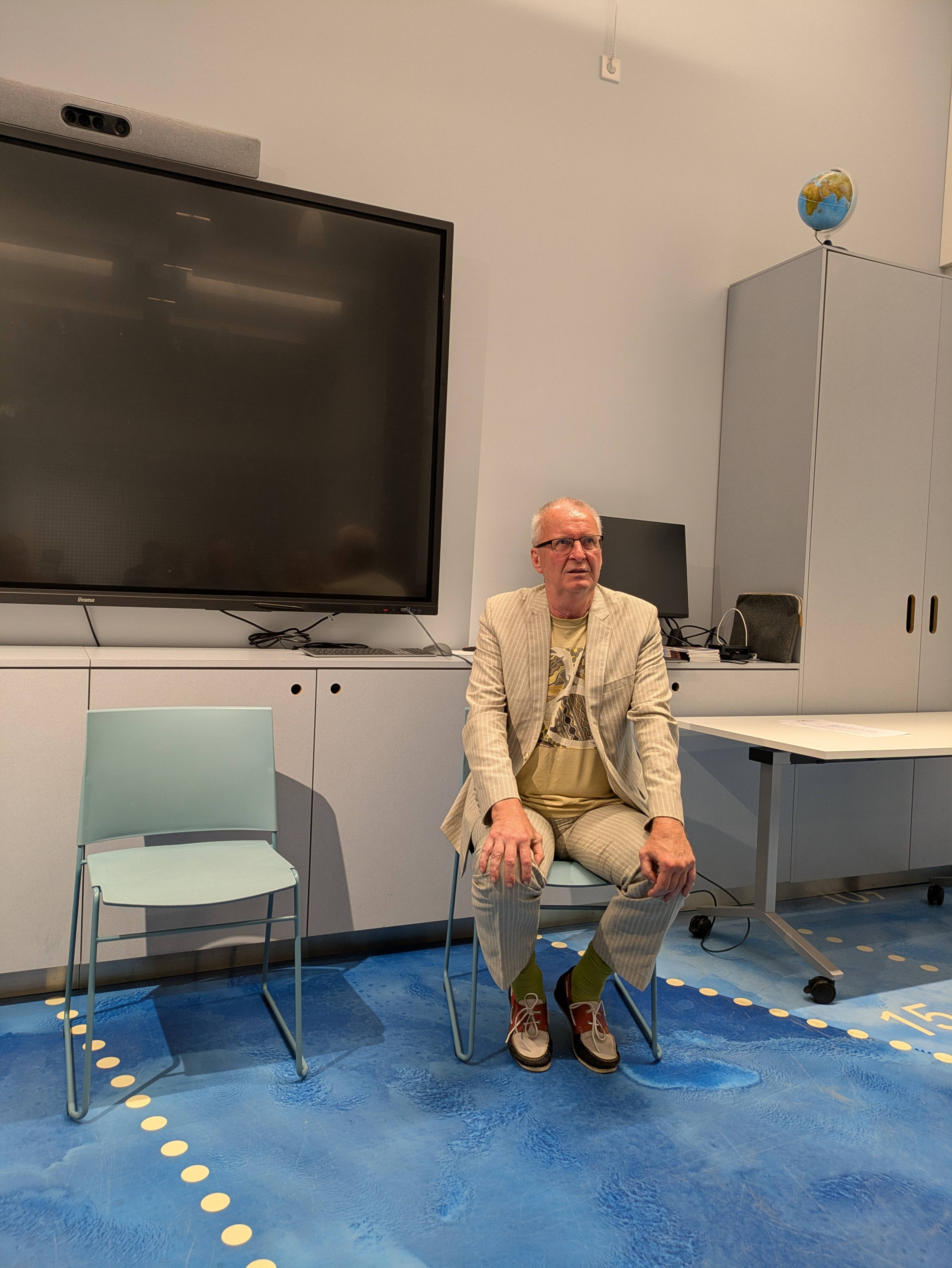
Treufeldt himself had to spend four months of his life in Patarei Prison for opposing the Soviet regime, and together with Urmas Varm, they recalled life behind prison walls.
When the prison closed in 2005, the Patarei Museum began operating, initially as a branch of the Virumaa Museums Foundation, and subsequently as an independent museum established in collaboration between the Estonian Maritime Museum and the Museum of Occupations. Andrus Villem, who had headed both museums, spoke about Patarei as a museum environment during those times.
At the same time, the idea that the Estonian War Museum might move to Patarei had been in the air for years. Indrek Tarand, director of the Estonian War Museum from 2005 to 2009, recalled these plans.
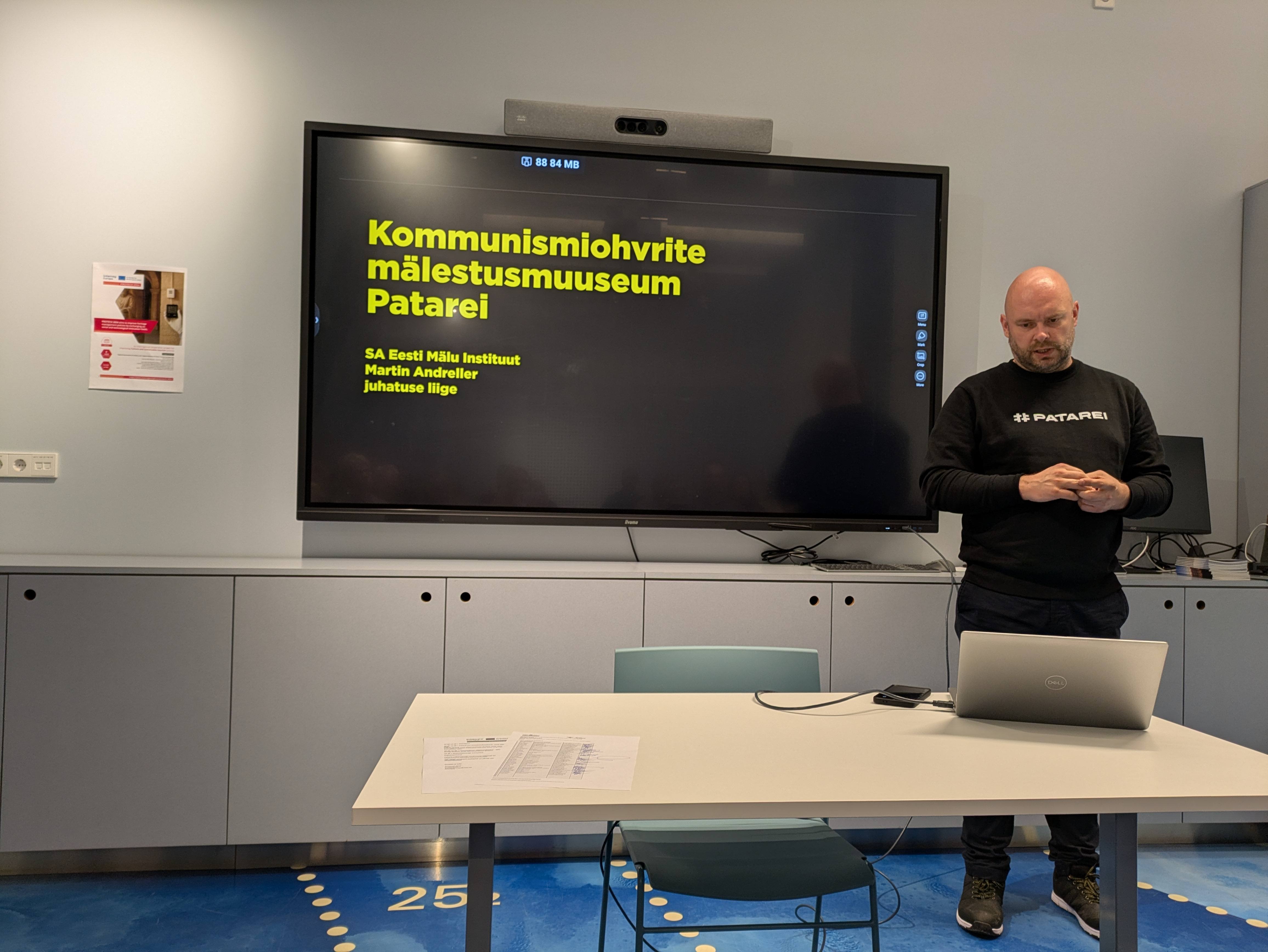
Patarei is soon to become a museum once again. The Estonian Institute of Historical Memory is establishing a Memorial Museum for Victims of Communism on the site, which will open on 14 June next year, the day commemorating the June deportations. Martin Andreller, a member of the board of the Estonian Institute of Historical Memory, lifted the veil on the plans for the new museum.
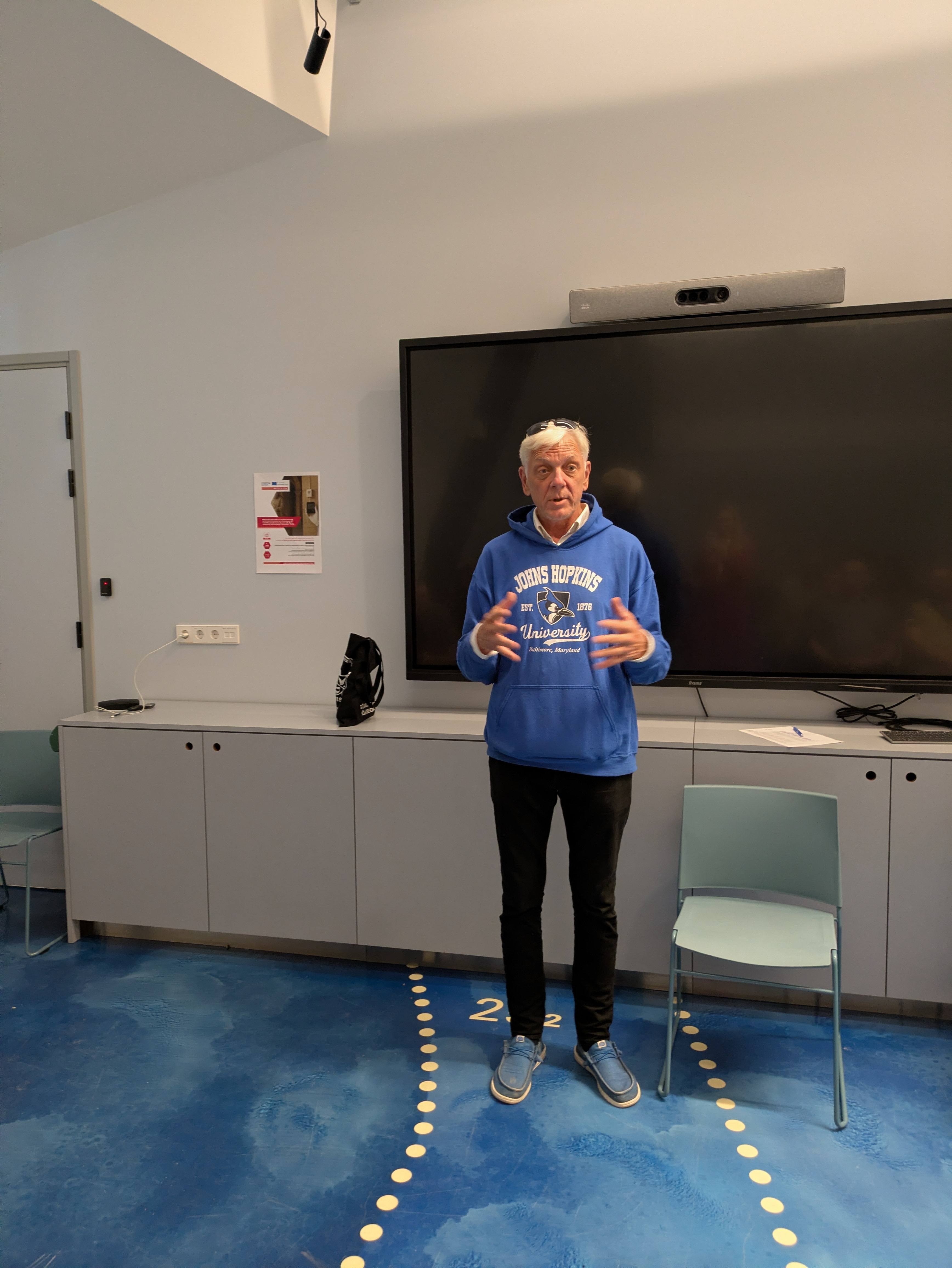
The day concluded with a presentation by the host, Urmas Dresen, Director of the Estonian Maritime Museum. Under his leadership, Patarei’s neighbour, Sea Plane Harbour, has been given a new lease of life as a museum environment where the Maritime Museum has now been operating for 14 years. With the Patarei Museum for Victims of Communism on one side and the Estonian Museum of Natural History, which is moving into the new nature house Taru (beehive), on the other, the area is set to become Estonia’s first museum quarter in the coming years.
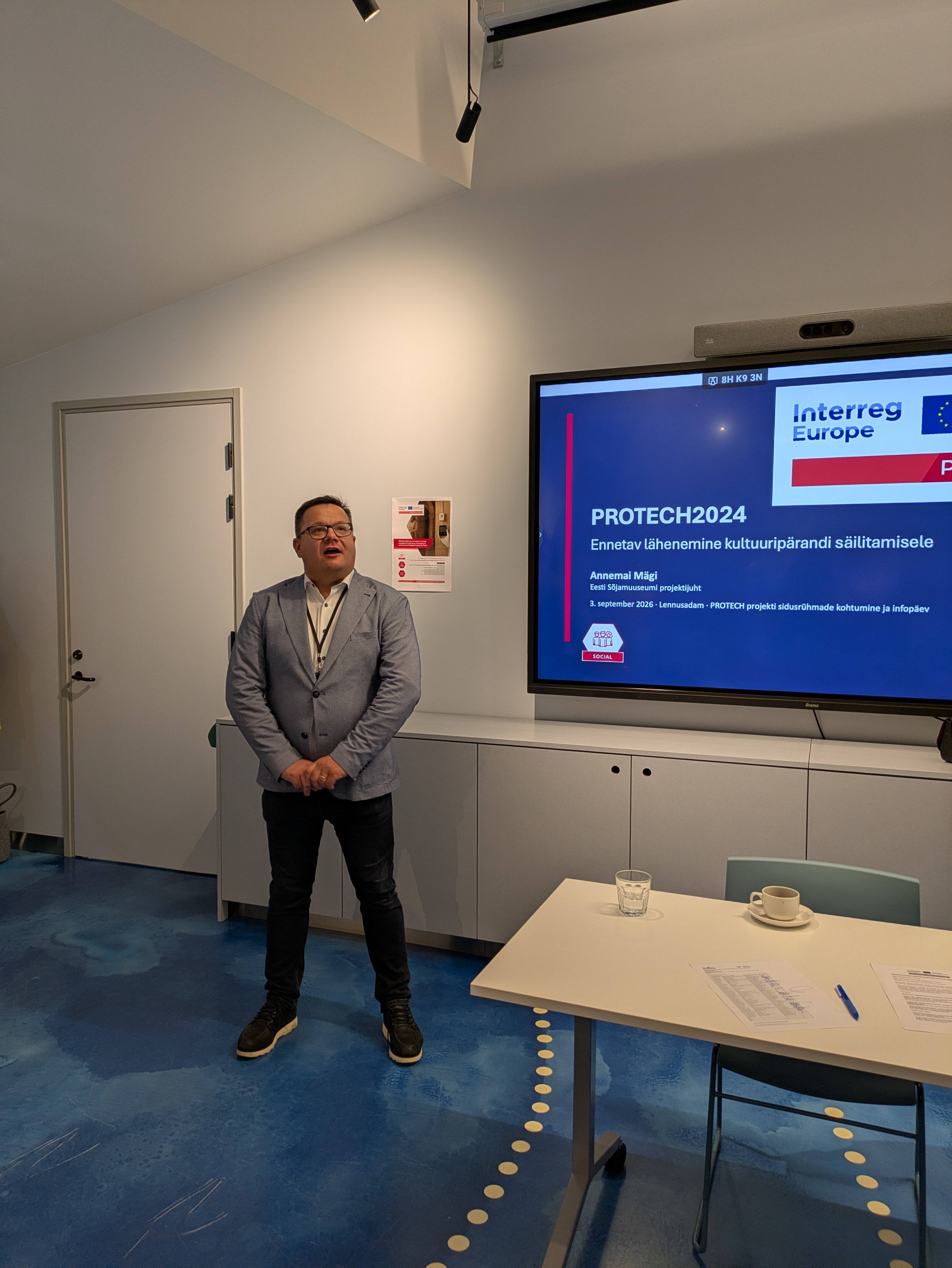
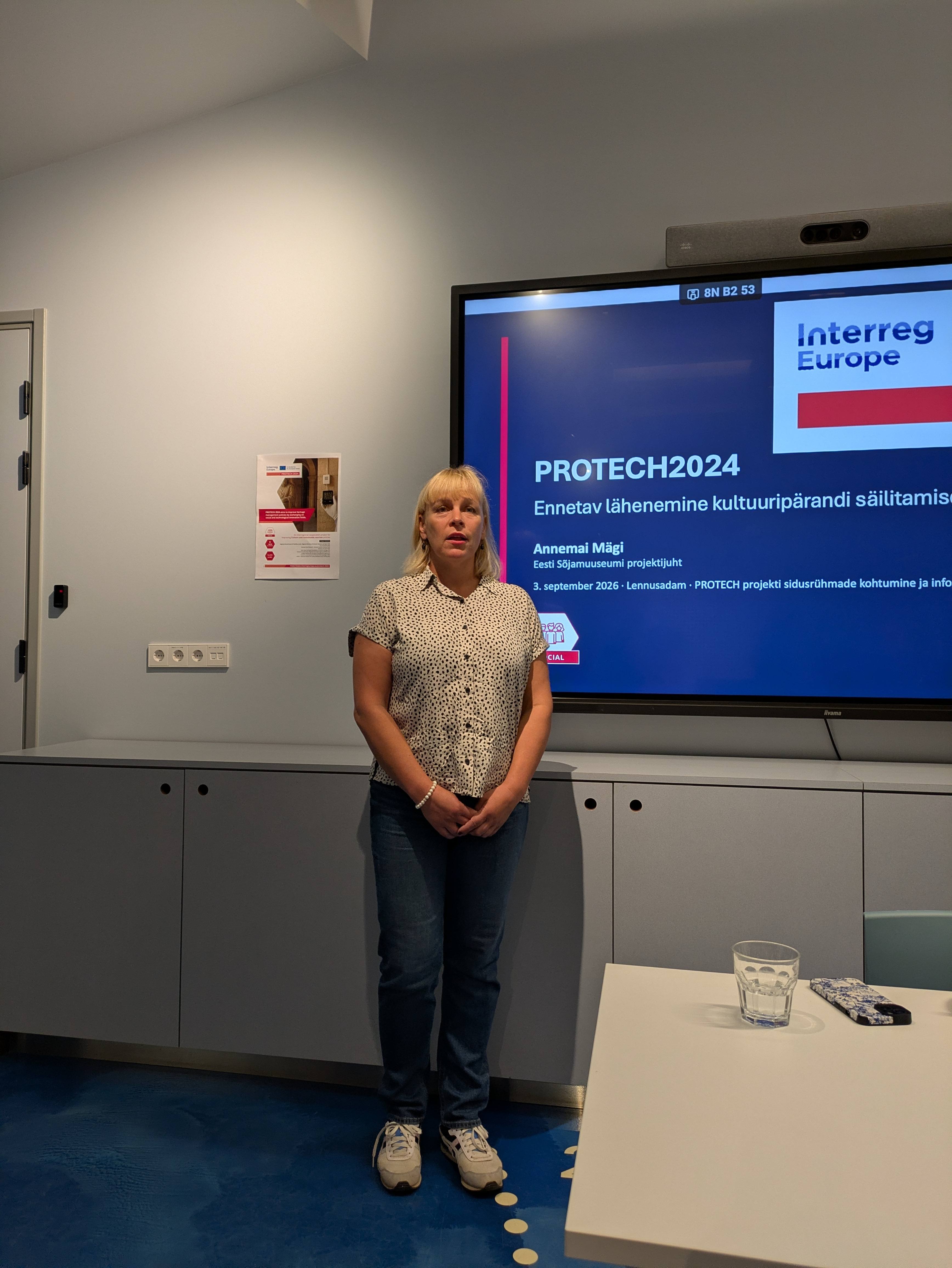
As the event also served as an information day for the PROTECH project, project manager Annemai Mägi from the Estonian War Museum provided an overview of the project’s current activities. The aim of the PROTECH2024 project is to exchange international experiences and best practices that help to conserve cultural heritage proactively – that is, to prevent damage before it occurs.
Estonia is represented in the project by the Estonian War Museum and the Ministry of Culture as partners, and by the Estonian History Museum, the National Heritage Board, the Estonian Heritage Society, the Estonian Maritime Museum, Viimsi Municipality and the Museum of Coastal Folk as stakeholders.
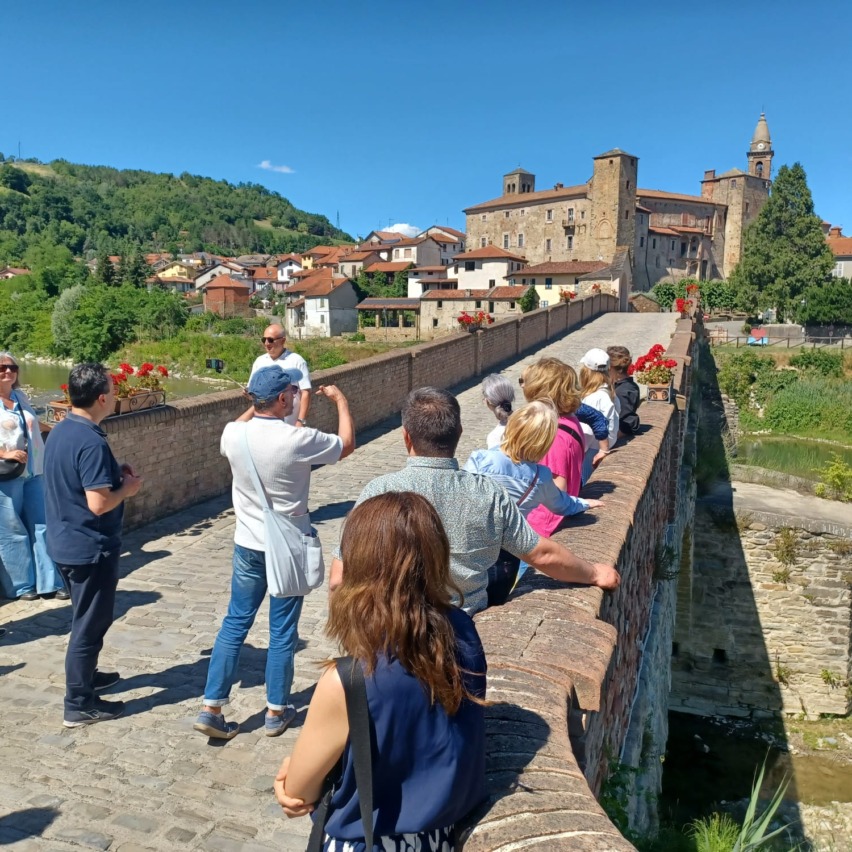
In addition to Estonia, organisations from Italy, North Macedonia, Spain, Hungary, Belgium and Romania are also participating in the project.
Photos: Sandra Niinepuu/EWM